
- Cooling performance: The most important thing about a portable air conditioner is its ability to cool a room on a hot day or a warm night. Getting fairly accurate results proved tricky since the weather in U.S/Euro was inconsistent during testing. However, it was vital to see how each model performed at high temperatures, so I waited until the days were 79 degrees Fahrenheit or warmer to test and install each unit. To gauge each portable AC’s cooling performance, I tested it in a small room and a medium-sized room, placing at least two room thermometers in different parts of each room.
- Energy efficiency: According to the US Department of Energy, “efficiency of a room air conditioner is measured by the Energy Efficiency Ratio (EER), which is the ratio of the cooling capacity (in BTU per hour) to the power input (in watts). The higher the EER, the more efficient the air conditioner.” So, I tested the wattage of each unit and calculated its EER rating to determine whether it’s more or less energy-efficient.
- Noise level: Portable ACs tend to be louder than traditional AC units; however, some models do attempt to keep noise levels down. To determine which models are better at it, I used my Decibel meter app to measure noise while each portable AC was running at its highest mode. This criterion didn’t make as big an impact on my results, since cooling is still the priority, but it’s good to know what you’re getting before you commit.
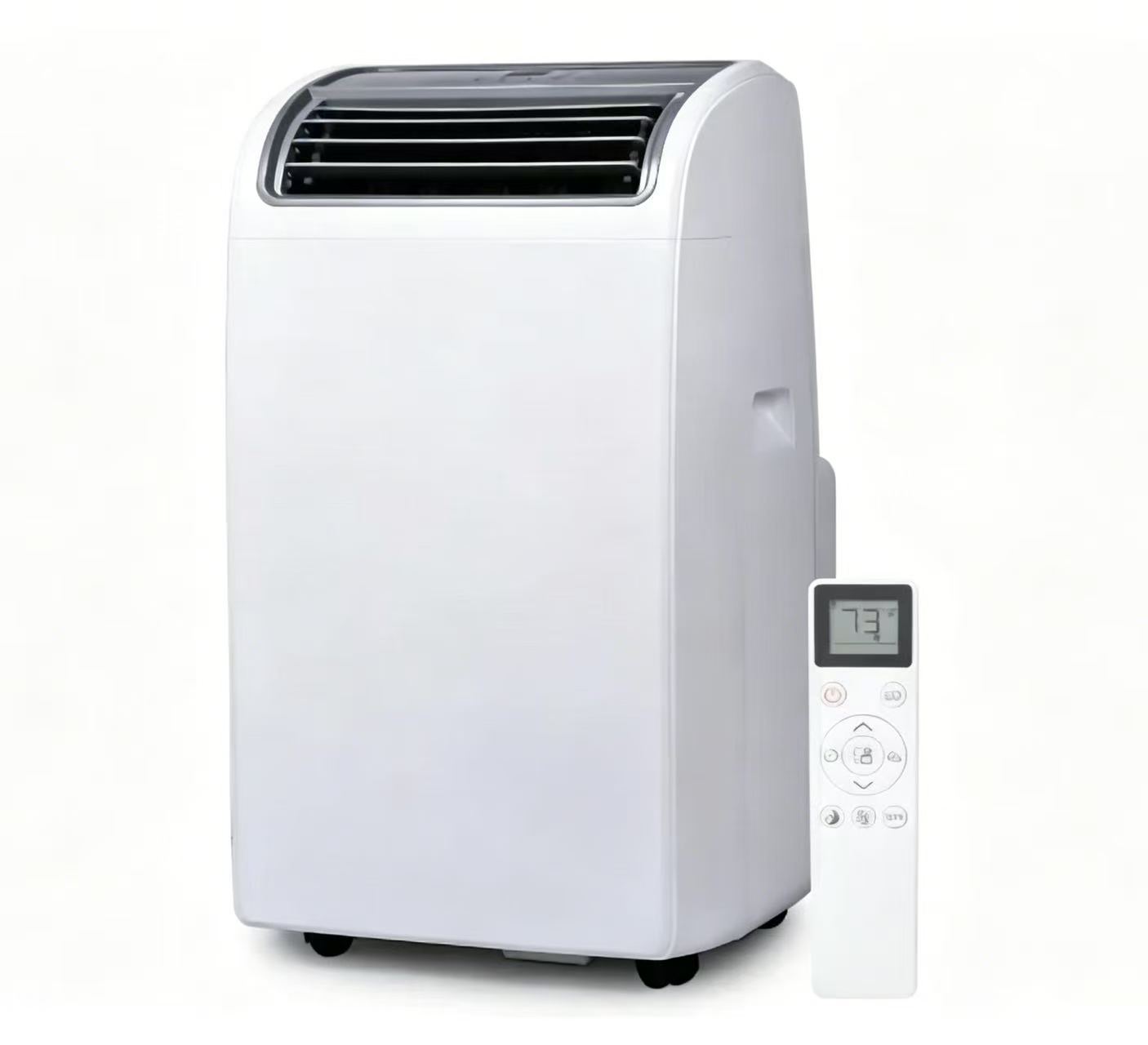
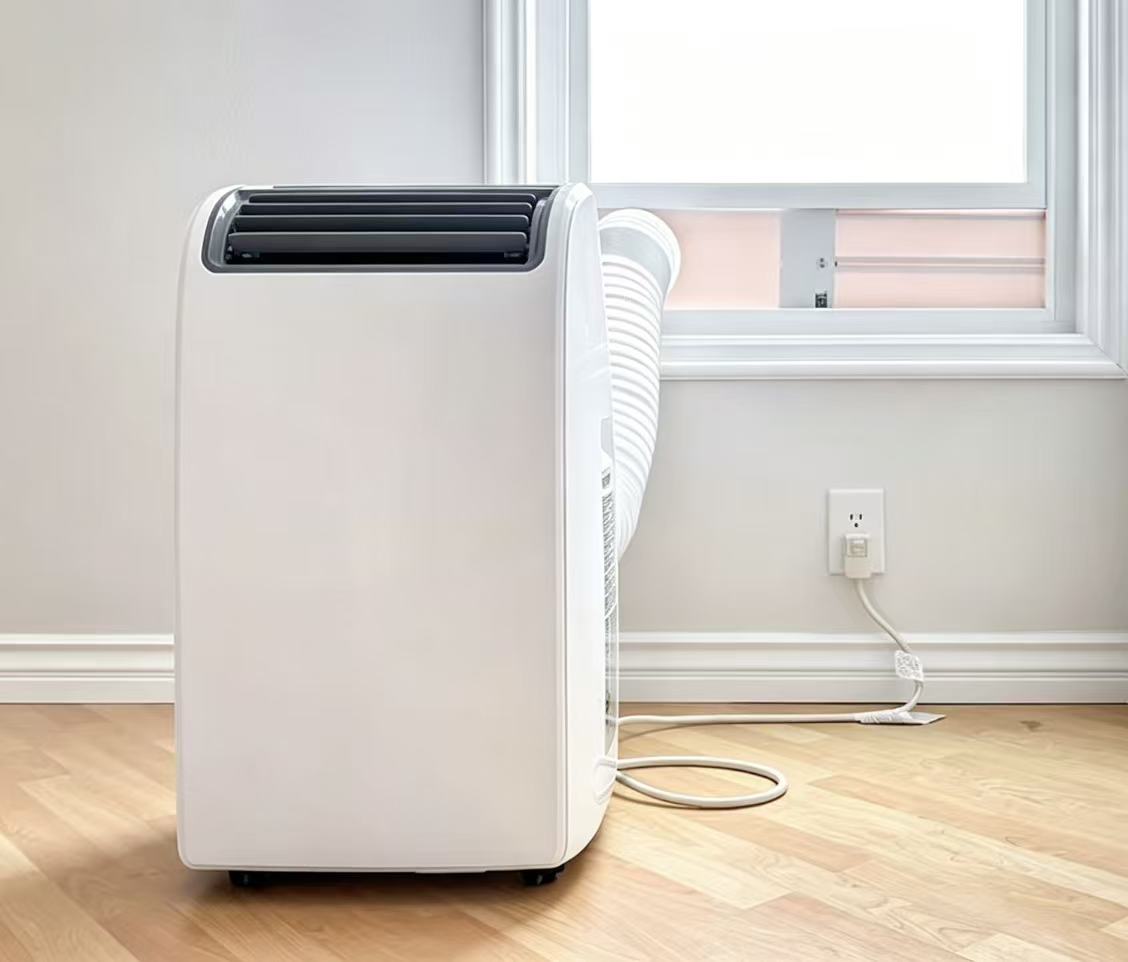
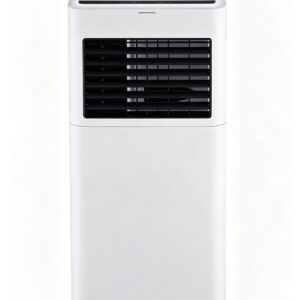
Portable Air Conditioner
Portable Air Conditioner with Heat and Remote Control
相关产品
-
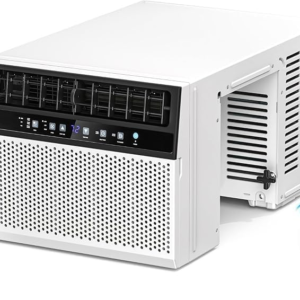
Portable Air Conditioner
Portable AC & Heater Smart WiFi Portable Air Conditioner for Year‑Round Comfort
阅读更多
评价
目前还没有评价